
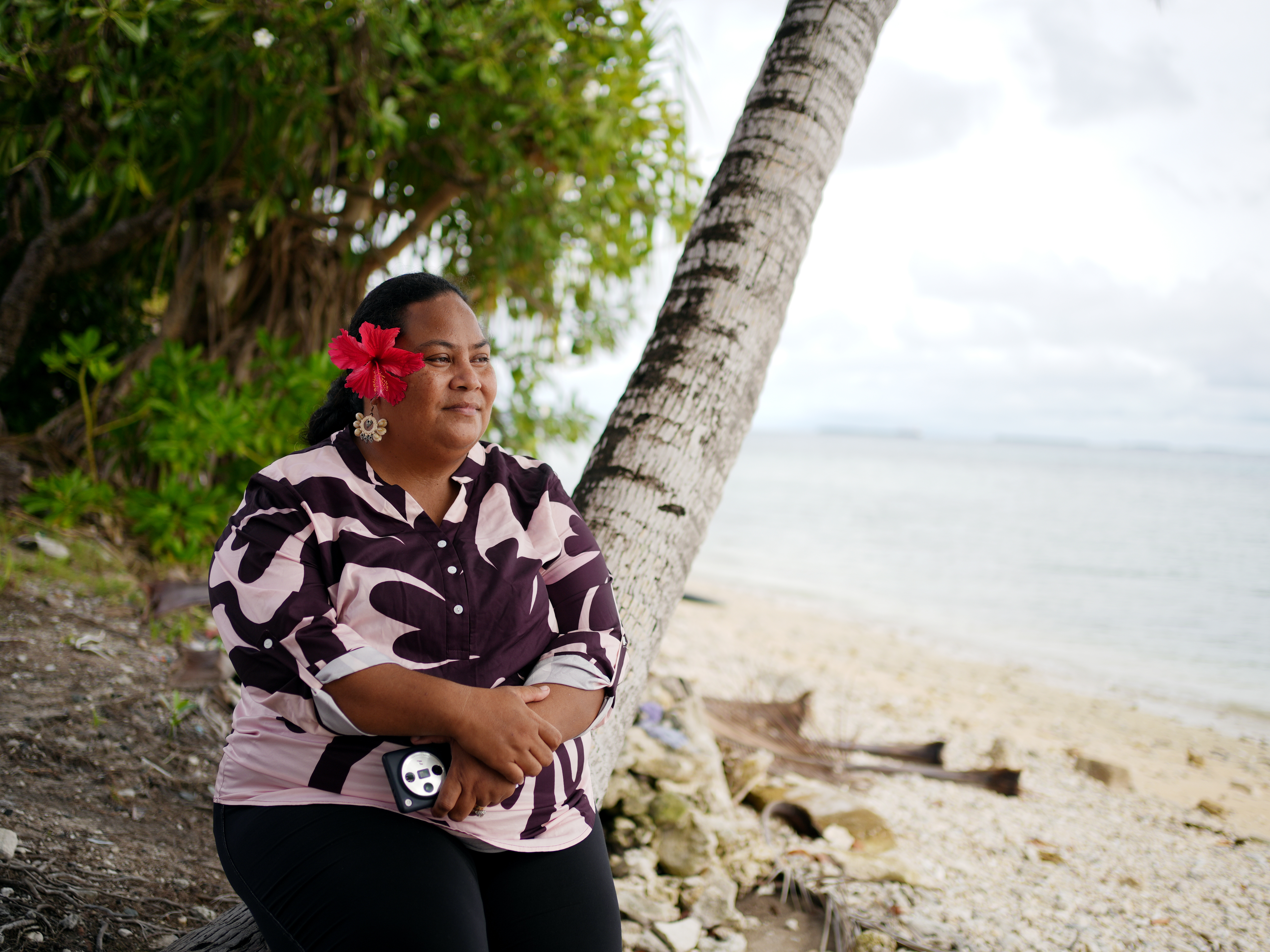
Inge's Story
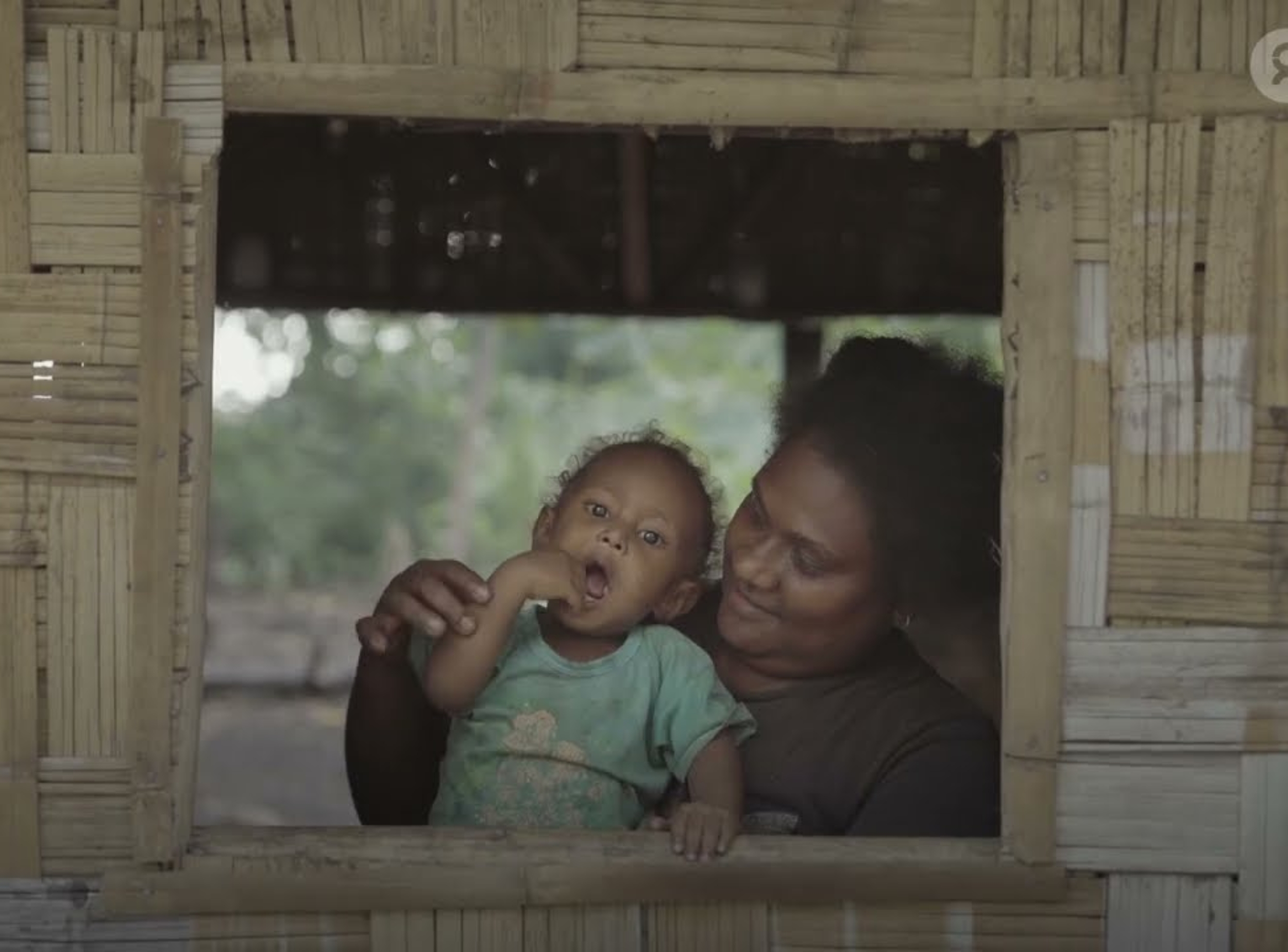
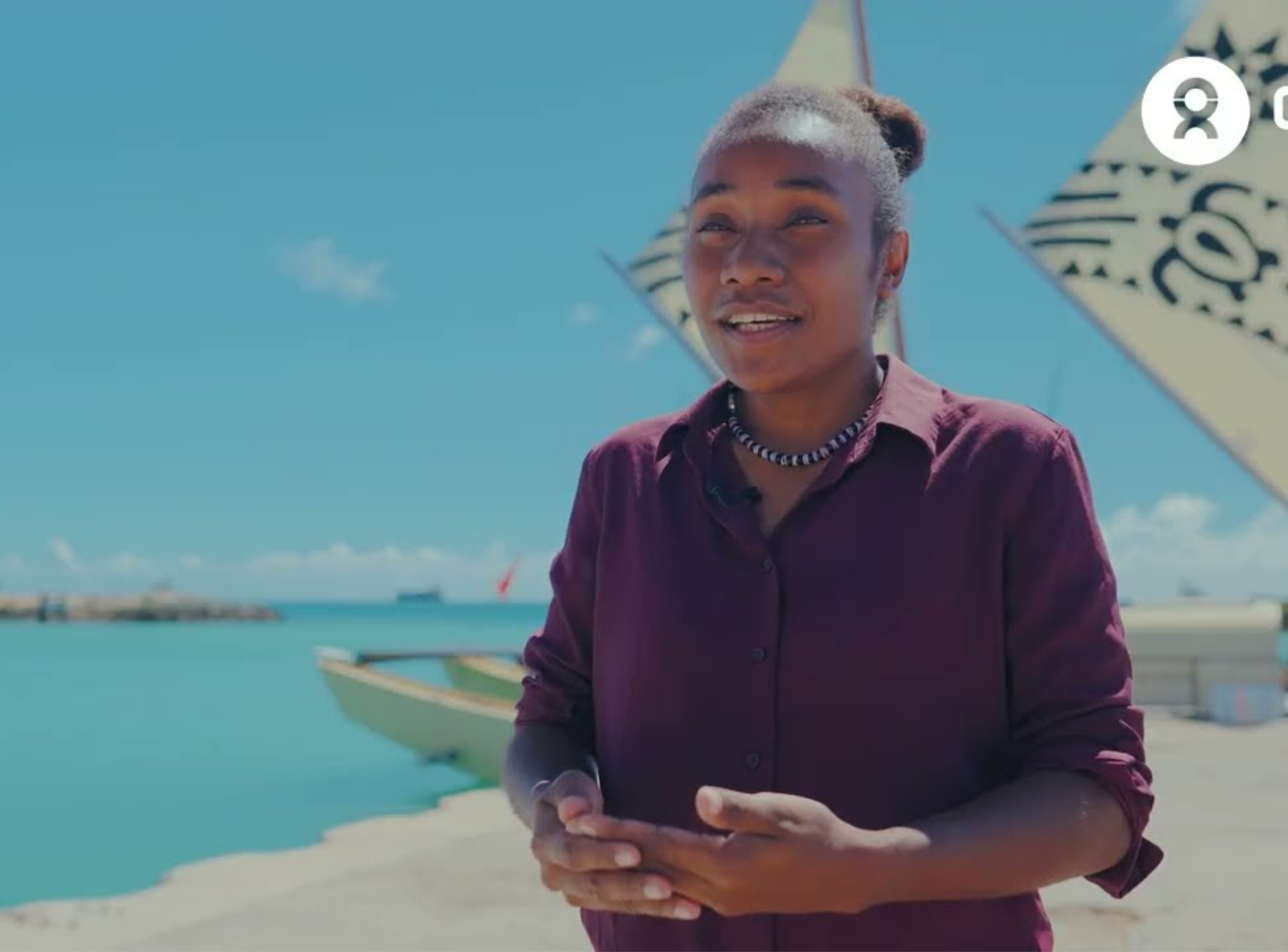
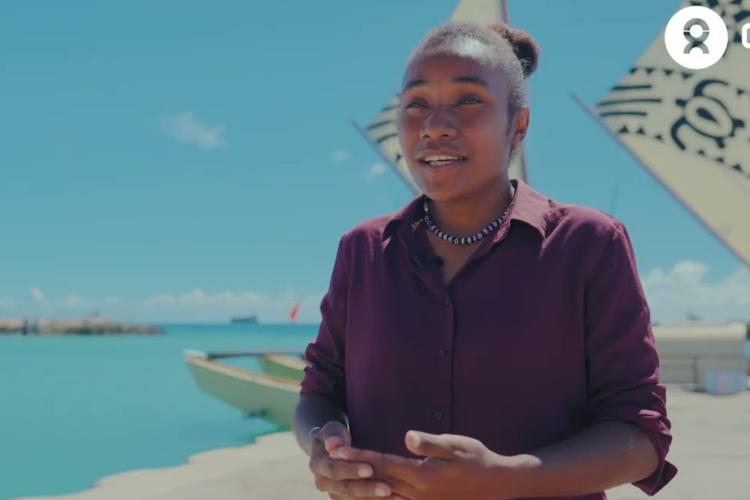

Inge is vice president of the Lofeagai Women’s Association in Tuvalu, an organisation built and led by women in her community. The group supports women’s spiritual and economic wellbeing, promotes local activities, and partners with other organisations to raise awareness on issues like climate change and gender-based violence.
“With the reported cases, it remains high,” Inge says of gender-based violence. “However, I believe there are women out there that have not reached out for help. Maybe they're scared, maybe they don't want to be the focus of attention, especially in very close-knit environments.” Through Lofeagai, she is working to address this and help women access the help they need.
The association also contributes to protecting and maintaining their local water system, located beneath the community meeting hall. In times of drought, it becomes a lifeline. “We’ve patched up the roof and gutters for water storage,” Inge explains. “And we’re building a dirt road funded by Oxfam through TuCAN - it’s the main access to our water system.”
The road also ensures that during disaster, members of the community are able to access the hall as an evacuation centre.
In Tuvalu, a water system like the one that Inge looks after is significant. Droughts, once seasonal and predictable, have become prolonged and erratic. Inge recalls a time when water shortages were rare. Now, even outside of drought seasons, families must pay for trucks to transport water from the cistern to their homes. The unpredictability of weather has also disrupted traditional food systems. Pulaka, a staple swamp taro, is harder to grow due to saltwater intrusion and storm surges. “Kids prefer rice now,” she says. “They’re not used to local food anymore.”
The changes are not just environmental, they’re emotional and cultural. Inge speaks of the pain and complexity of migration, a reality many Tuvaluans now face as climate change and rising sea levels threaten their home. “All parents want what’s best for their kids,” she says. “And they feel like if they stay here, it doesn't look like there is a future for them because all the impacts from climate change.”
She and her husband are considering migration themselves. “I feel there is a need for me and my husband, for our family to take two steps forward for our son to grow up in an environment that is safe. We're thinking of migrating. That's the only option we have. We can stay, but we don't know what's going to happen tomorrow.”
“I feel sad. It's very easy to talk about migrating, but what I experience from some of my colleagues and some of my friends and families, when they migrate, they don't want to go, but they have to.”
Her message to the world is clear, “It’s good for you because you have plan B, but not for me. I don’t have a plan B. Plan B for me is just to go away from my island.”
“They can go to other parts of their country which are not affected, but not for me. Everywhere is affected in Tuvalu.”